Research & Development
We turn ideas into technologies. Our Research & Development department engineers advanced materials, processes and solutions to accelerate innovation across the aerospace, defense, automotive and high-performance composites sectors.
State-of-the-art analytical infrastructure
Our analytical infrastructure combines state-of-the-art scientific instrumentation and engineering know-how to accelerate the development of high-performance materials, processes and technologies.
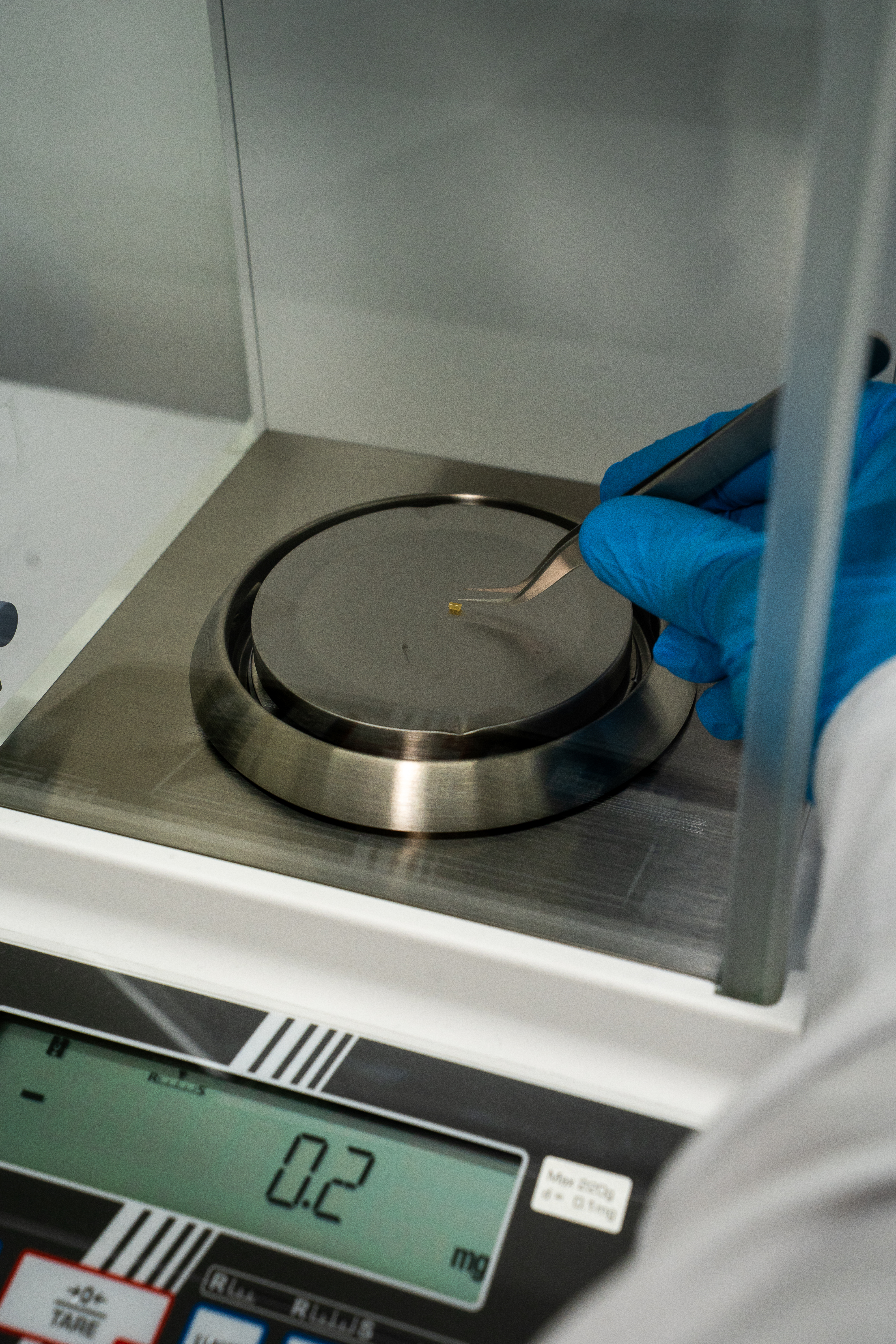
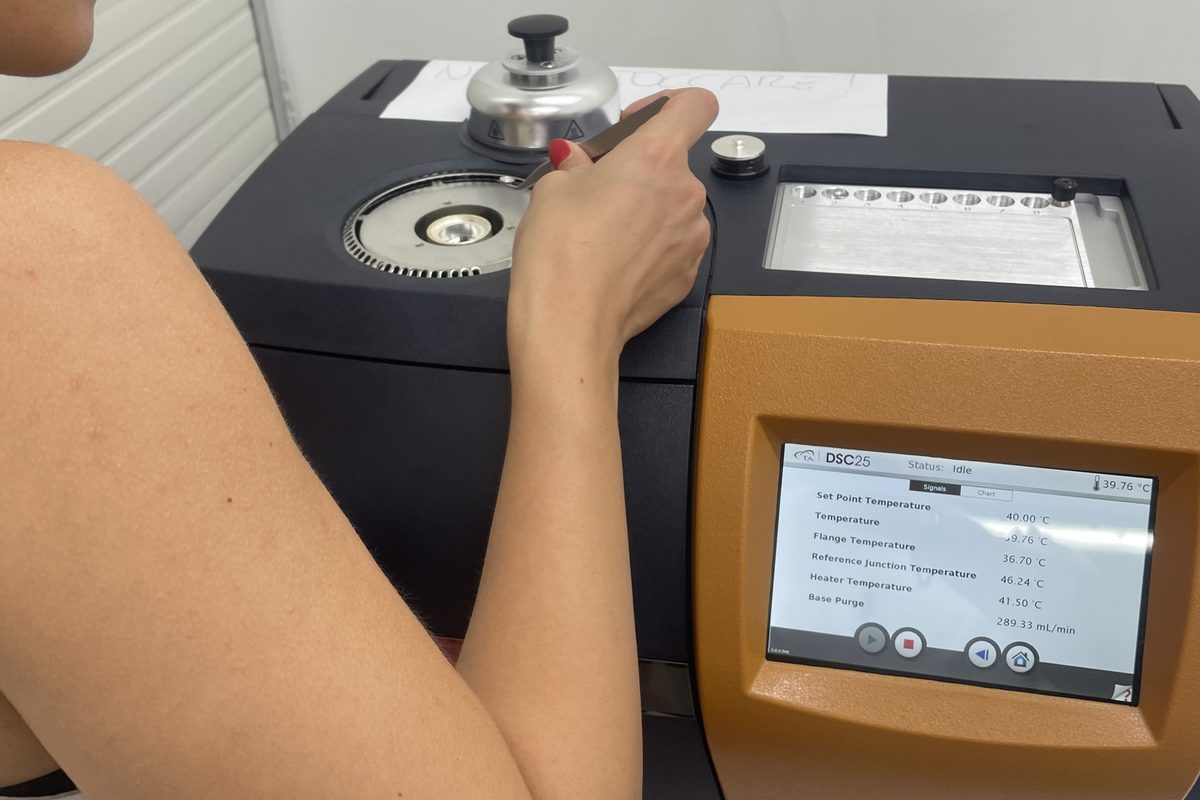
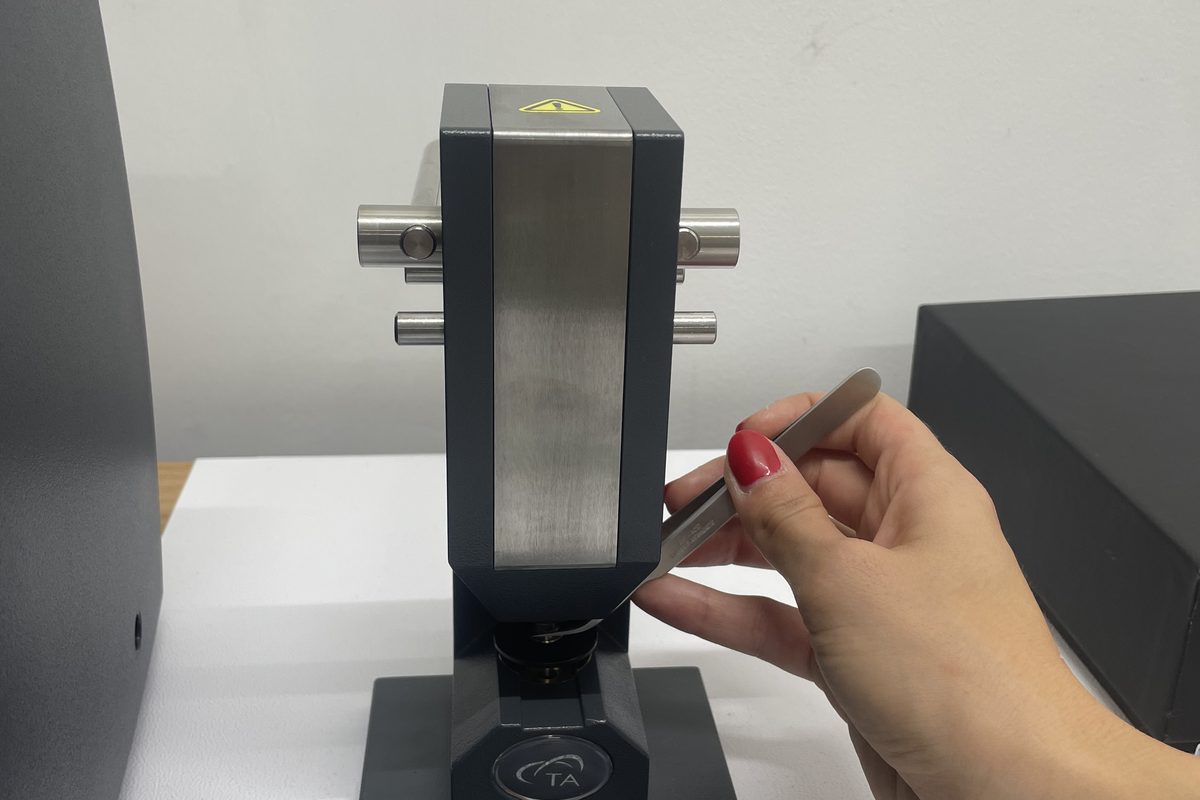
DSC — Differential Scanning Calorimetry
Advanced thermal analysis to characterise thermal transitions, crystallisation, curing processes and stability of polymeric and composite materials. It supports the development, validation and quality control of innovative materials.
DMA — Dynamic Mechanical Analysis
Characterisation of the mechanical behaviour of materials during controlled thermal cycles to analyse stiffness, damping, thermal transitions and structural performance of polymers, composites and advanced materials.
Rheometer & DMA — Rheological and dynamic mechanical analysis
Rheological characterisation and temperature dynamic-mechanical analysis (DMA) to evaluate viscosity, viscoelastic behaviour, elastic moduli and cross-linking kinetics of resins, polymers and composite materials across the entire thermal cycle.
Funded projects
Ongoing projects
Completed projects
Discover our Quality Control and Traceability
Every mandrel and component produced at Addyx follows a rigorous protocol of control and serial traceability throughout the entire production cycle.
The Addyx patent portfolio
Water-soluble expanding mandrel
Sacrificial mandrel that behaves as an expanding membrane at temperature and dissolves in water without leaving residues.
Rigid water-soluble sacrificial mandrel
Rigid water-soluble sacrificial mandrel, suitable for extreme temperatures and pressures.
Topology optimisation with continuous-fibre ribs
System of topologically optimised unidirectional ribs that improves stiffness-to-weight, strength-to-weight and impact-to-weight ratios.